• Gold Rush – The Best (And Most Inconspicuous) Hamburger Steak In Japan!

    Must know Info:

    Gold Rush – ゴールドラッシュ*Cash Only*

    〒150-0042 Tokyo, Shibuya, Udagawacho, 4−7 Tosen Udagawacho Bldg., 4F

    6 minute walk from Shibuya Station

    Hours (as of 2025/12): Every Day 11:30am – 10pm

    Order system: Tablet

    This is just one of those places you don’t want to share, and if I didn’t, I don’t know if anyone reading this would be able to find it – that’s how hidden it is lol. 

    When using google maps, and it says you have arrived at the destination, you still have a few more steps, one of which being to walk through the somewhat sketchy looking pathway to the elevator, and then get in this sketchy elevator filled with graffiti and stickers to the 4th floor – you will have arrived! 

    There are stairs, but they DO NOT go until the 4th floor so please take the elevator.

    Oh, and one more thing to mention is that there is a night-club that operates seemingly 24 hours so there may be a big line up of people outside along the sidewalk, but don’t be alarmed as this is not for the restaurant. The restaurant may also shake a little bit from the sound waves of whatever music they are playing, but just look at it adding to the ambiance! 🙂

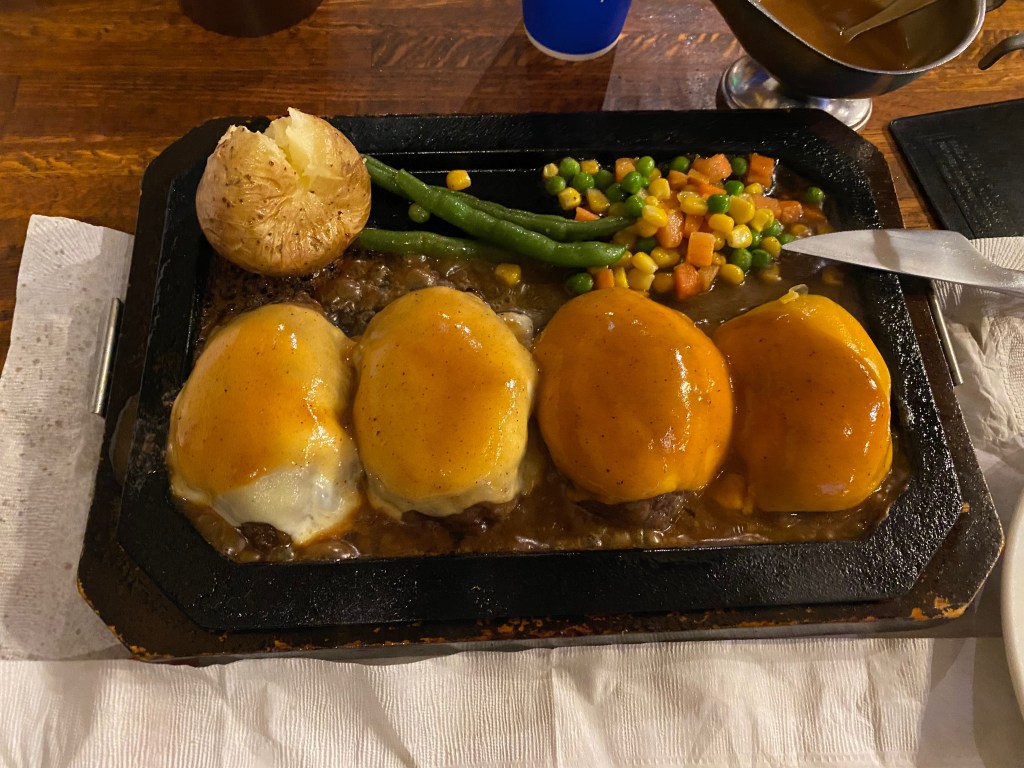
    Now, for the food, Japan has both hamburgers and hamburger steaks, though they sound really similar in Japanese, gold rush however is the latter. 

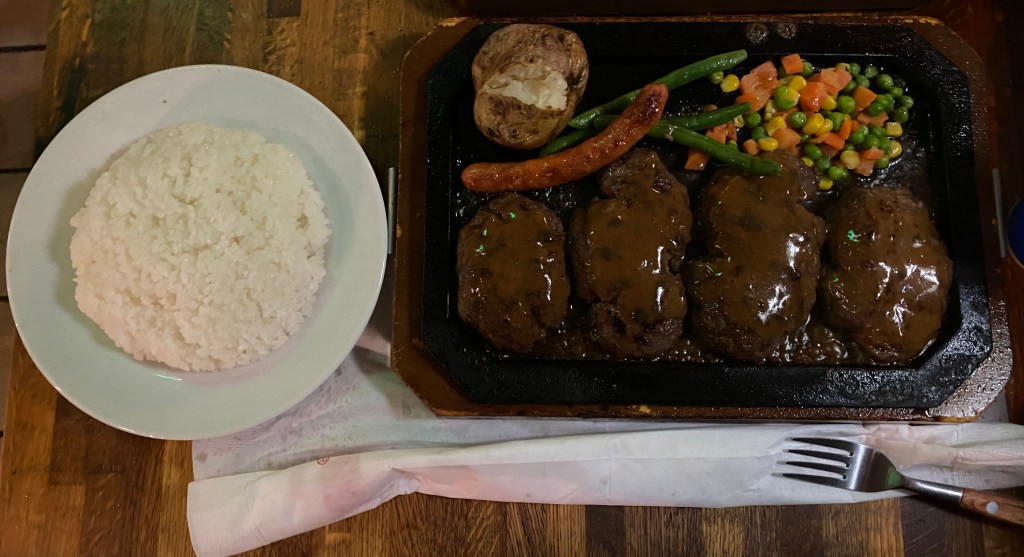
    It is essentially just beef patties laid on a hot skillet and have sauce poured over them at your table. 

    It sounds simple, but it is amazing. Some of the best quality beef I have ever had.

    You can order from 1 up to 4 burgers, and the 4 equates to about a pound, so each patty is 150 grams. 

    You can also mix and match what you want on them, with cheese (mozzarella or cheddar), garlic, teriyaki, or just have them plain. The sauce that is poured on them however, remains the same. 

    Regardless of the size, they all come with baked or mashed potatoes, beans, some mixed vegetables, and a side of rice (of course). 

    How it works is when they place the skillet down on your table, position your napkin so that part of it is held down by the skillet and the rest you can hold in front of you to cover your clothes (the longer the better). 

    This is because when they pour the sort of gravy sauce over and it splatters everywhere, but it will not seep through the napkin so no need to worry!

    I don’t know, I guess I wasn’t cultured enough as a child to have anything other than the hamburger form, but there is something about eating it with just rice. But I have now taken inspiration and I am making it at home (google hambagu recipes). 

    The culmination of the high quality beef and rich, amazing sauce that almost seeped into the patty and almost caramelised on the skillet paired with the plain white rice allowed for me to taste and savor each of the ingredients – something I don’t feel I am able to do with a hamburger. 

    Oh, and drinks are self service! You get one complimentary juice or soda, and then the rest is just water.

    They also have a “lady’s set” which comes with salad, your choice of hamburger, rice or bread, and a dessert! I also just learned that you don’t actually have to be a female to order it either!

    This is a complete locals only, hidden gem spot, so if you are in Shibuya and feel you haven’t been getting enough protein during your time in Japan this is the place to go!
    Thanks for reading – if you’d like to support and follow along: 

    More about me

    Different types of ordering systems in Japan explained

    Purchasing an onigiri to keep me fuelled throughout my journey 🍙
  • Mankin Gyoza – The Most Unique And Delicious Gyoza In Japan!

    Must know Info:

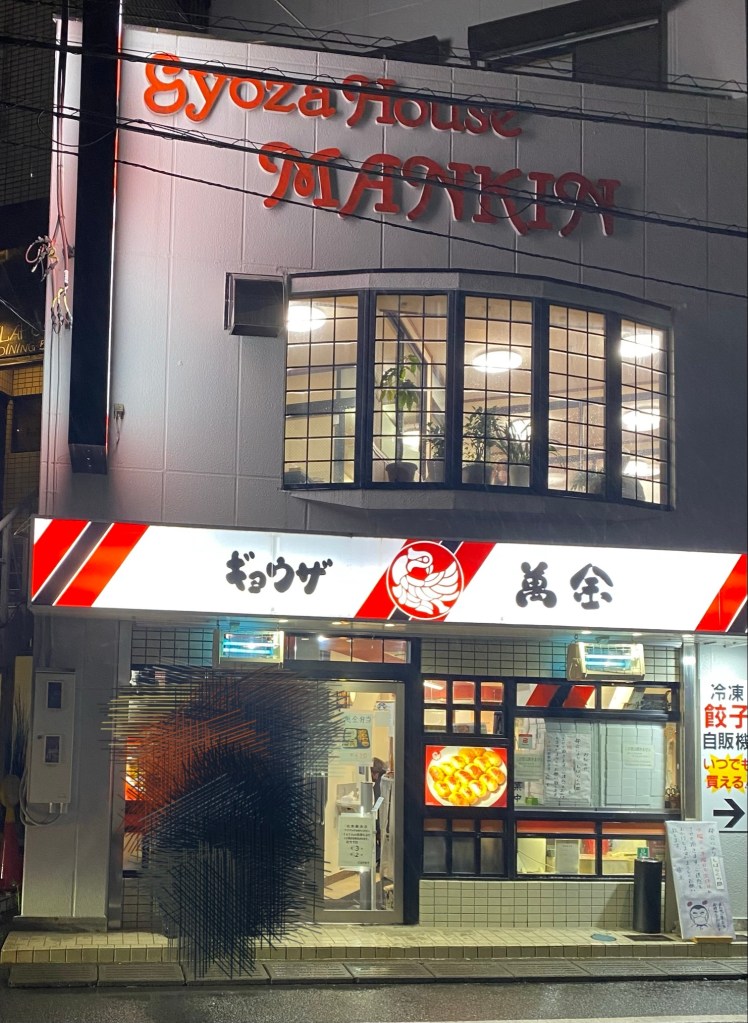
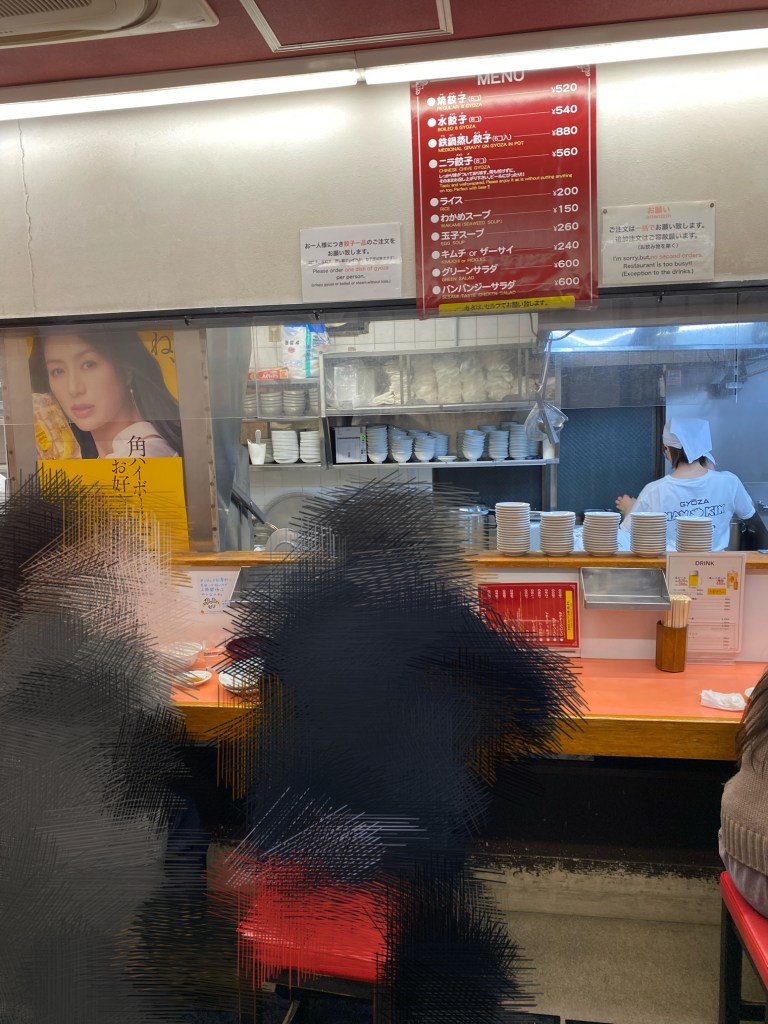
    Mankin Gyoza – 萬金餃子 *Cash or Card*

    4 Chome-1-7 Sonan, Minami Ward, Sagamihara, Kanagawa 252-0312, Japan

    7 minute walk from Odakyu Sagamihara Station

    Hours (as of 2025/12): Every day except Wednesday 11:00am – 8:45pm

    Order system: Menu (waiter call button)

    BY FAR the best and most unique gyoza I’ve ever had in Japan. I would even be willing to say this is one of the best restaurants i’ve been to as well – it is that good. 

    The only caveat is that it is a bit far from central Tokyo, but if you get on the train from Shinjuku station you can get here in a 45 minute train ride (the same train line you would use to get to Shimokitazawa station). 

    The restaurant is big with both tables and counter seats, but it is a local favourite for people around this area and beyond, and they also have people picking up take-out constantly, so you might have to be prepared to line up, especially on the weekend. 

    Once you are seated they give you time to look over the menu and there is a button on the table which you press and the staff will often times come running over. 


    NOTE: You can only order once, (excluding drinks) so I would order more than you may even think you may be able to handle (they will give you a takeout box if you ask for it). 

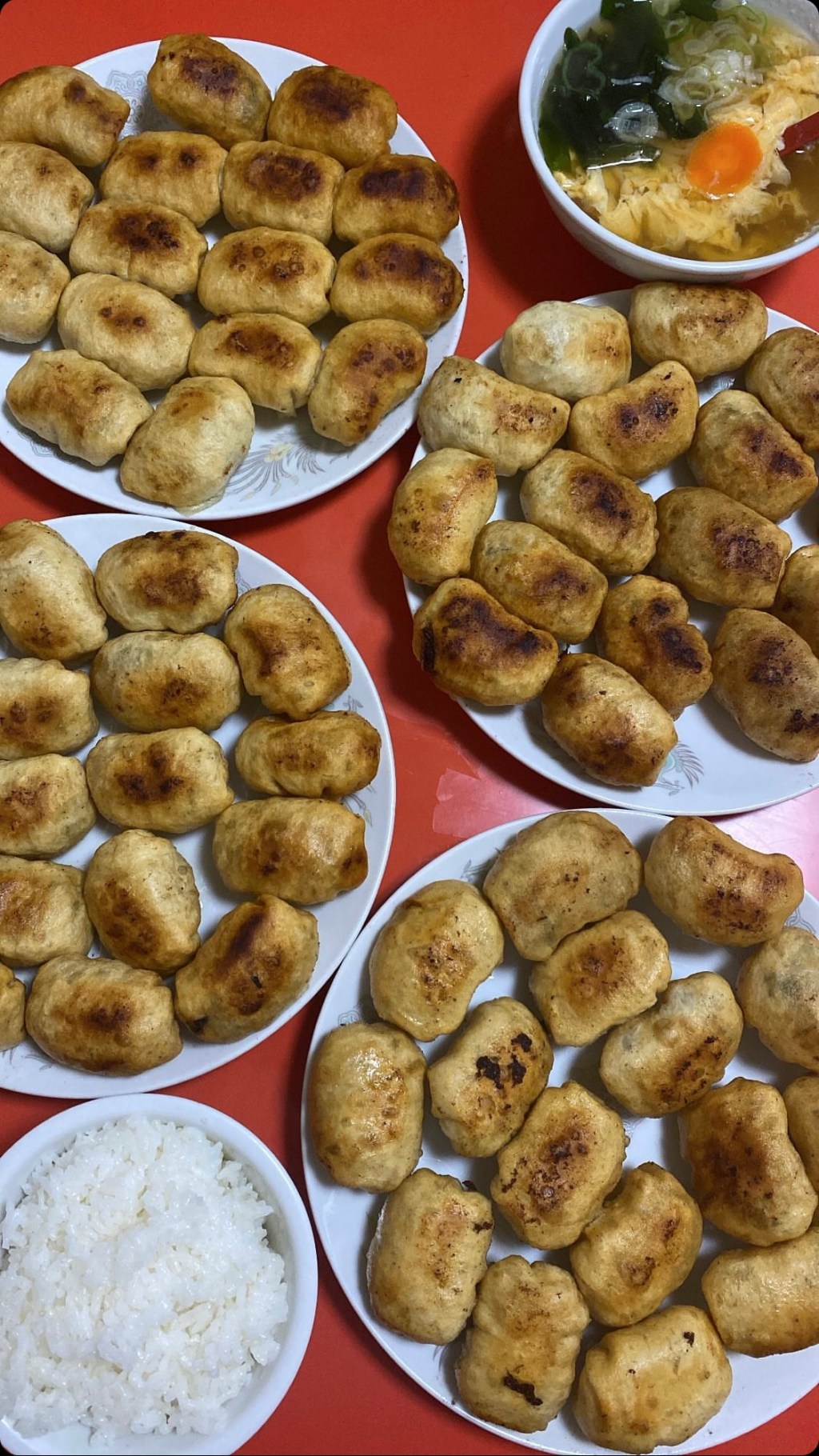
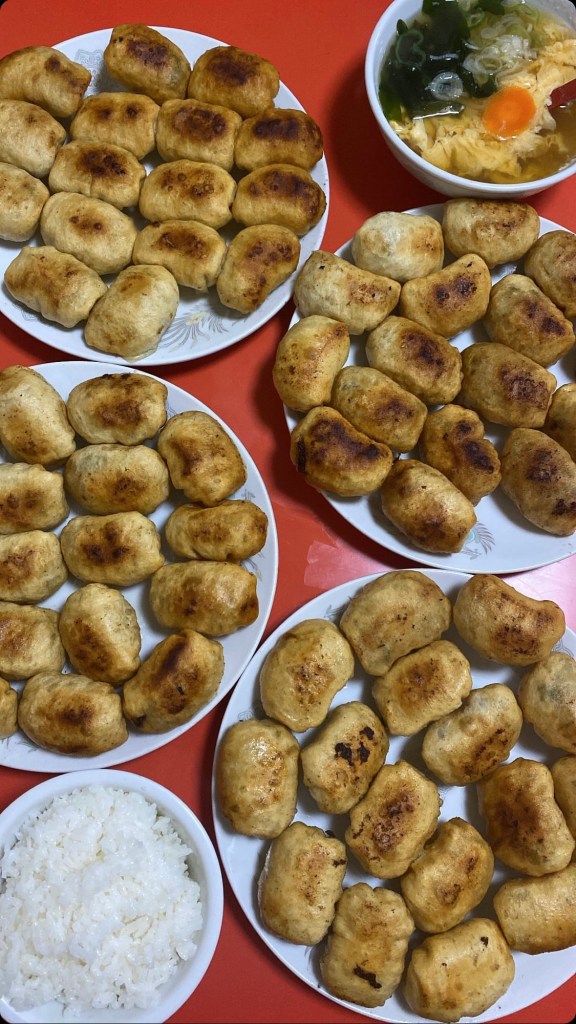
    Differing from what I guess I could call “normal gyoza” (I am sure you know what I am referring to) which are just simply pan fried, often without even the use of oil, the ones pictured (焼き餃子, yaki-gyoza) are actually slightly submerged in oil which gives them their puffy appearance. 

    I think that these are made thicker to begin with as well, but in terms of size they are definitely able to be eaten in just one bite (just be careful because they are ridiculously hot when they get to your table). 

    They come in sets of 8, and are as of right now only 600 yen. I think I ended up eating maybe 30, but I will leave the amount you want up to your own discretion – just know that they are extremely addictive. 

    A must to order with this is of course, rice. Another good thing I like is their “sesami taste chicken salad” (yes it is spelt this way), and the egg soup. 

    What I like the most however, is that they have heaps of raw, freshly chopped garlic just sitting on the table. 

    Putting this garlic in the same gyoza sauce dish and dipping the gyoza in it is incredible. I’ve never up until this point thought that “I want to eat raw garlic”! But this changed that. 

    It gives it such a good punch, and not just to the taste, but also to your breath which I will have to apologize about in advance…but if it’s just one meal you can manage, right? 

    When you are finished with your meal, bring your numbered plate on your table down to the front counter next to the front door and you can pay there. 

    If you have the time to get out here, there is nothing else like it. Even if there was, Mankin does it the absolute best. 

    Thanks for reading – if you’d like to support and follow along: 

    More about me

    Different types of ordering systems in Japan explained

    Purchasing an onigiri to keep me fuelled throughout my journey 🍙
  • Chūkamenten Kiraku – Ramen Restaurant Loved By The Locals In Shibuya For 75+ Years!

    Must know Info:

    Chūkamenten Kiraku – 中華麺店 喜楽*Cash Only*

    2 Chome-17-6 Dogenzaka, Shibuya, Tokyo 150-0043, Japan

    3 Minute walk from Shibuya station 

    Hours (as of 2025/12): Everyday except Wednesday 11:30am – 8:30pm

    Order system: Menu (order before getting seated)

    Open since 1952 and standing at one of Shibuya’s oldest ramen restaurants is Kiraku. 

    Located only a few minutes walk from the station the location couldn’t be better, but it is in the middle of Shibuya’s red light district, so walking past the restaraunt will put you in the centre of a bunch of love hotels…do be warned lol. 

    But this is yet another example of a hidden “gem” I suppose because how people started to discover it…well, I think it is self-explanatory. 

    But I digress, this is honestly a really good bowl of ramen (though they do have a few different things like gyoza as well) with a mom and pop shop sort of vibe to it (especially with the now 2nd owner being the son of the original). 

    Having the name “chuuka”, meaning Chinese, it isn’t your stereotypical ramen, but this is actually quite common in Japan. What differentiates this from a normal bowl isn’t the noodles or egg, it is that they put wontons in it. 

    While this doesn’t necessarily make it a wildly different tasting bowl per-say, it does at the very least differentiate itself from other bowls, and that is why I think it is worth having. 

    But it isn’t just this unique factor either, as the ramen is really good in and of itself. 

    The soup is a soy-sauce base, but they have garlic chips in there which really brings out the umami in it I feel. 

    While being completely honest, the egg and cha-shu could have been both a little less cooked for my liking, they were packed with flavour as can be seen with how dark the egg on the outside is – a tell tale sign that it has been brining for a long time. 

    Though I don’t have it pictured, I also had the fried rice (cha-han) which is something you really can’t go wrong with and it comes with an egg soup. I really like putting vinegar on my Japanese fried rice if they have it and though it sounds weird I would try it out – it surprisingly pairs really well.

    Gyoza was also something that was on the menu and I saw on a lot of other tables, I however didn’t think I had the stomach capacity, though looking back I wish I gave into my gluttonous tendencies and ordered it. 

    As for ordering, it is done while you are in line/when you enter the restaurant. To save yourself the stress I highly recommend looking at the menu beforehand. 

    The nice thing with this however, is often times only a few minutes or seconds after you sit down the food will come – leave it to the Japanese 

    When you finish, whether upstairs or downstairs, right next door to the same door you walked through is someone standing there with a little table who will either know your order or you will have to remind her of (got to love a high trust society like Japan) and you pay here.

    Thanks for reading – if you’d like to support and follow along: 

    More about me

    Different types of ordering systems in Japan explained

    Purchasing an onigiri to keep me fuelled throughout my journey 🍙
  • Vejiro Shibuya Sohonten – Hearty Meat & Vegetable Stir-Fry in the Heart of Shibuya!

    Must know Info:

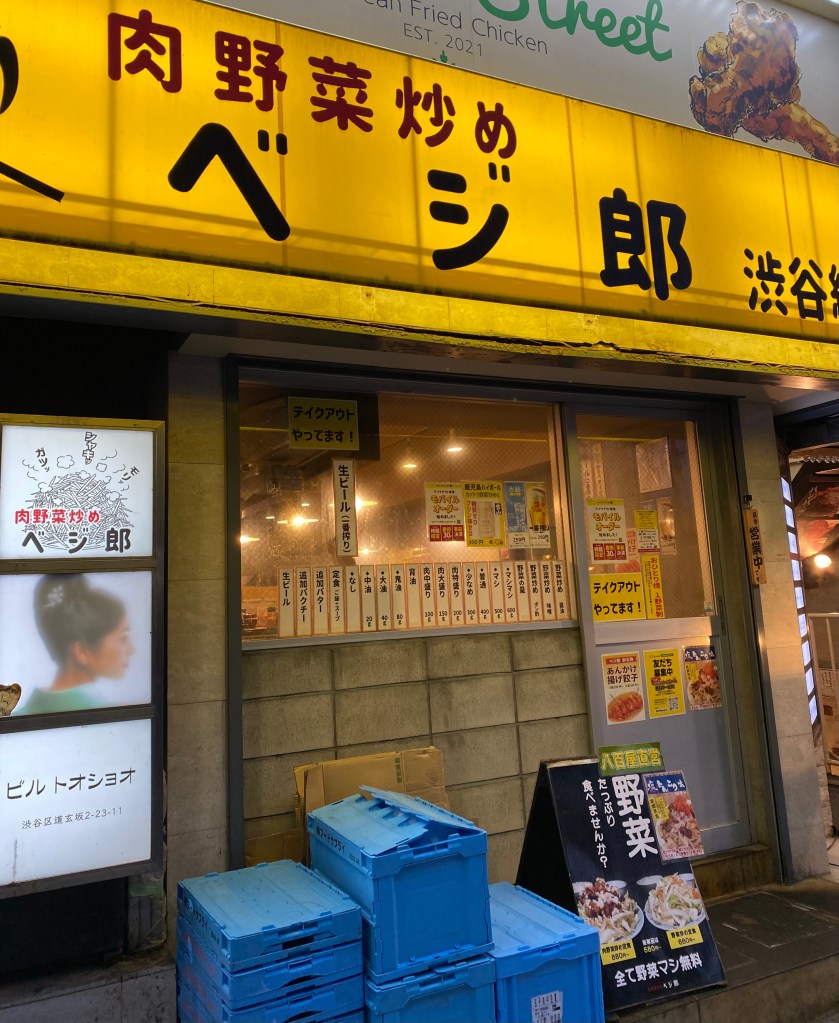
    Vejiro Shibuya Sohonten – 肉野菜炒め ベジ郎 渋谷総本店 *Cash Only*

    2 Chome-23-11 Dogenzaka, Shibuya, Tokyo 150-0043

    5 Minute walk from Shibuya station 

    Hours (as of 2025/12): Monday through Sunday 10am – 10:30pm

    Order system: Electronic Ticket Machine

    Another Shibuya gem, and despite being in such a central location, it is kind of hidden in plain sight. 

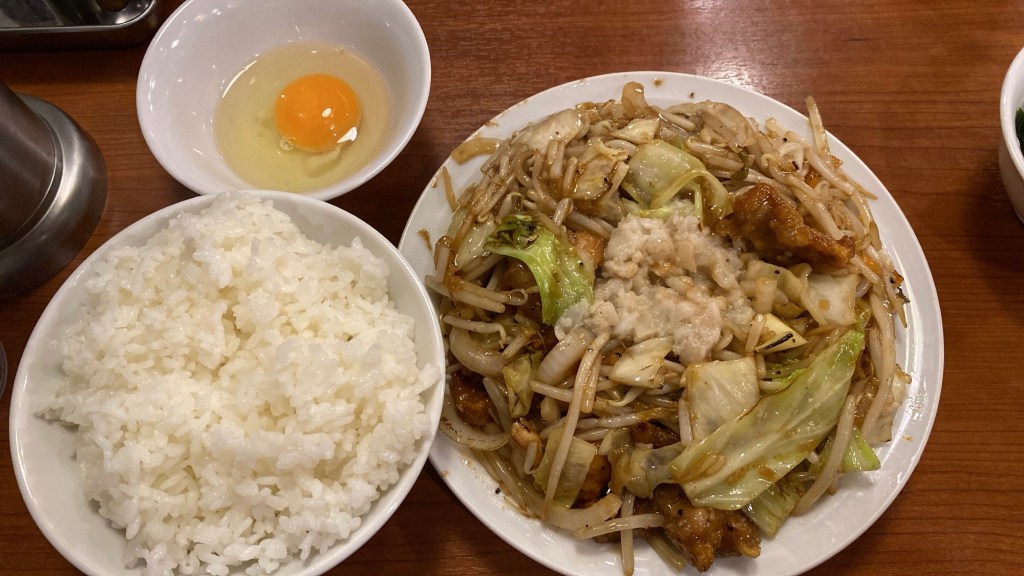
    If you are looking for a cheap, voluminous, and if you were to consider solely the amount of vegetables they use, dare I say “healthy”, it is a perfect place to fill you up without feeling entirely guilty about the amount of food you just ate. 

    Vejiro is a play on words, with the former referring to vegetables, and the “ro” taking inspiration from a famous, cult-following type ramen called “Jiro-kei” which is known for having probably the most ridiculous portion sizes in any type of dish in Japan, particularly recognizable for the amount of steamed bean sprouts (moyashi) that is piled up on top of the bowl. 

    Utilizing these vegetables, they decided to just turn it into a monstrosity of a vegetable stir-fry sort of thing, consisting of your choice of meat and it is all topped with “back fat” (essentially pork fat that they have put into a strainer and shake it over top of the dish) which might not sound appetizing but it is delicious and can a lot of time make or break a dish. 

    You have the choice of chicken karaage or pork (I think karaage goes better personally), 300-600 grams of vegetables with no additional charge, and flavors like miso, soy sauce, ponzu etc. 

    I highly recommend rice with it as it pairs extremely well (if you can handle the volume of it lol). 

    You will also notice that I have a raw egg here (and yes it is perfectly safe to eat) but I just got used to eating them in Japan and honestly, there’s just something about it that makes me want to add it as a topping to whatever I am eating there if it’s offered. 

    This could just be the 6 grams of protein and health benefits my body so desperately craves after eating some of this food however… But hey, you only live once right! 

    There are 14 seats, including 3 or 4 tables with only 2 seats each and the rest placed at the counter. 

    Upon entering the restaurant they have a digital ticket machine where you will insert your money into and then give your food tickets to the staff after being seated. 

    As most local places are in Japan, it is very reasonably priced for the amount of food you are getting. 

    I liked this place not only because I was on the verge of getting scurvy and was able to find some vegetables…But mainly because they took an already established food and turned it into something of their own. 

    Time and time again, whatever the genre, new or old, Japan always tries to perfect it – making me want to go back time and time again to this place which I never thought I would say to myself about a place serving a vegetable stir-fry, but it was just that good.

    Lastly, it opens at 10am and closes at 10pm, so if you are going drinking or partying in Shibuya, this is a good pre-meal or, if you are going really hardcore, post!

    Thanks for reading – if you’d like to support and follow along: 

    More about me

    Different types of ordering systems in Japan explained

    Purchasing an onigiri to keep me fuelled throughout my journey 🍙
  • Kaiten Misakikō – Unbelievably High Quality Sushi Inside of Narita Airport!

    Must know Info:

    Kaiten Misakikō Narita Airport Bldg 1 Shop  – 回転寿司みさき *Cash or Card*

    Narita Terminal 1, 5th floor 

    Hours (as of 2025/18): Monday through Sunday 9am – 8pm

    Order system: Tablet

    I know how it goes, you arrive in Narita,  think of what to eat, and then end up going to the first thing you see which is likely that small mini stop (trust me, been there and done that). 

    But let’s be real, though efficient, you have just finished lining up in immigration after a flight, and the last thing I would want to do is line up again just to get a salmon or tuna onigiri which I know I’m just going to end up getting later again the same day.

    For those thinking the same way, and want to taste some authentic and fresh made sushi, then Kaiten Misakikō is the perfect place. 

    This is the first restaurant I ever went to in Japan, and it’s stood the test of time with how good it is because every-time I go to Narita airport I eat here.

    Now I don’t know about you, but when I land in a foreign country (regardless of how many times I have been there), I want to get my barrins, and this restaurant acts as the perfect place to sit down and gather your thoughts while indulging in some great sushi.  

    The shop is on the 5th floor of terminal 1 (pre-security), and is the last restaurant on the left hand side of the floor. 

    From the 4th floor you will want to walk towards where they have a bunch of shops (I think one of the first ones is one that sells luggage but don’t quote me on it), and once you see the first escalator, go up, and then walk left until Misakikō comes into view. 

    The store itself consists of around 25+ counter-only seats, and most of the time you are able to leave your luggage against the wall inside the restaurant (though depending on the volume and how crowded it is you might have to leave it right outside the restaurant, but rest-assured as there are windows surrounding the place, so you will be able to keep watch – I have done this once. 

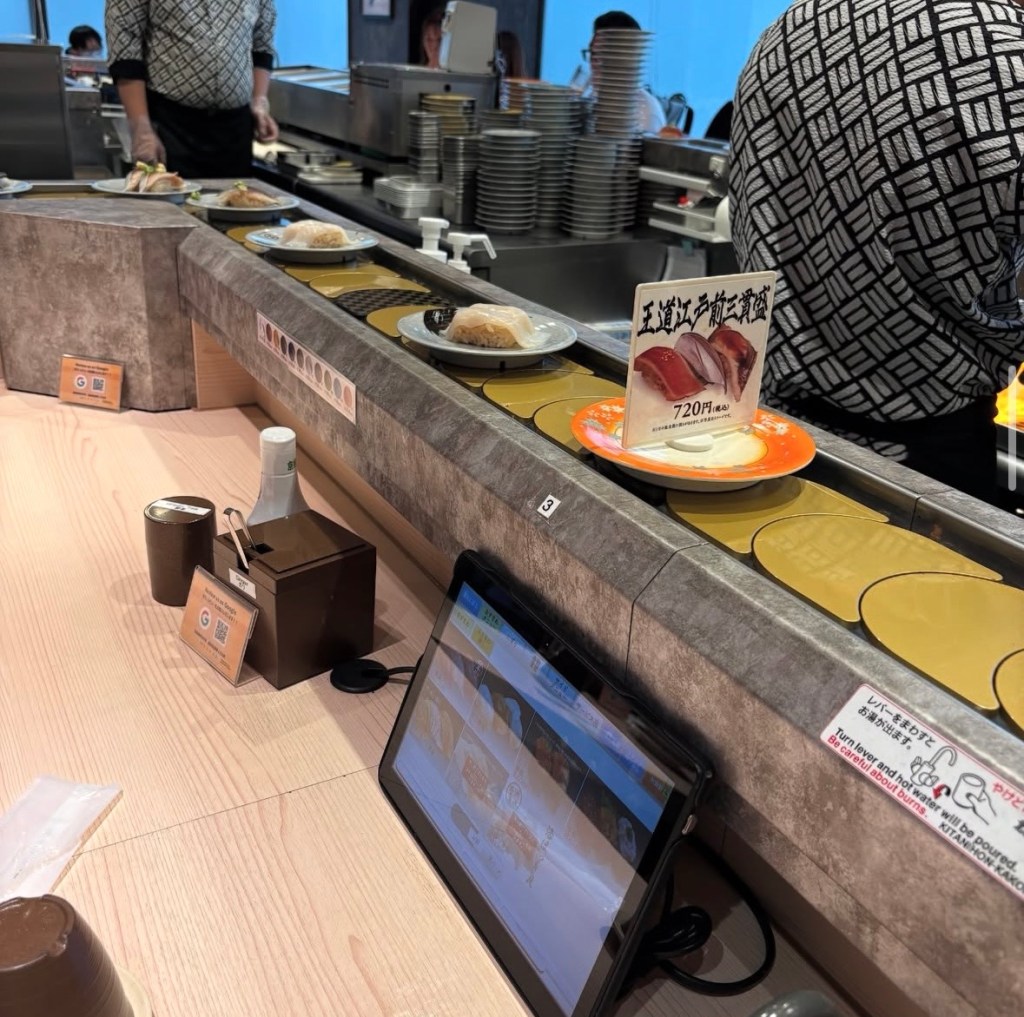
    Once seated they have cups and a hot water dispenser with green tea, as well as soy sauce, oshibori (wet towel used for cleaning your hands before you eat) and a touch screen tablet. 

    TIP* While there is always sushi rotating along a conveyor belt, no matter how tempting it may seem, or how hungry you are, DO NOT take it from here. 

    Well, this is a bit dramatic as you may very well do so and I am sure it will taste fine, but this sushi is generally rotating for long periods of time and will not be fresh. 

    If you order from the tablet however, the chef will hand you your sushi right to you after making it fresh – so always opt for this option. 

    Any one of their sushi tastes great, and they source all of it from the famous Toyosu market in Tokyo. 

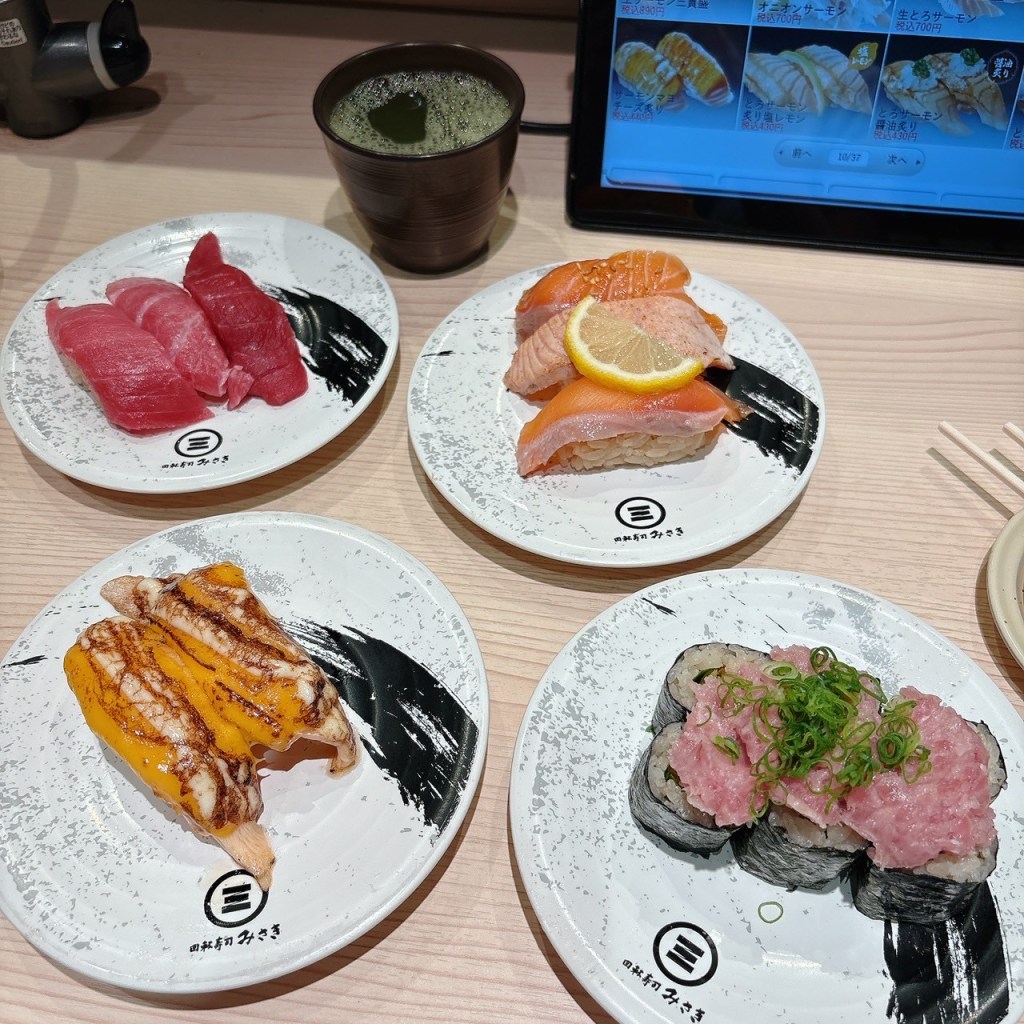
    I personally like their 3 sorted tuna nigiri set and their salmon with cheese that they use a blow torch over top of. For a non-sushi item I highly recommend the “chawanmushi” which is a warm egg custard cooked with various seafood in a small ceramic cup.

    All of their sushi starts from 160 a plate, and while it is more pricey when compared to another conveyor belt sushi chain, the quality and convenience make it extremely worth it in my opinion.

    Thanks for reading – if you’d like to support and follow along: 

    More about me

    Different types of ordering systems in Japan explained

    Purchasing an onigiri to keep me fuelled throughout my journey 🍙

  • Ayagawa Ramen – Incredible Chicken Broth Ramen in Ebisu!

    Must know Info:

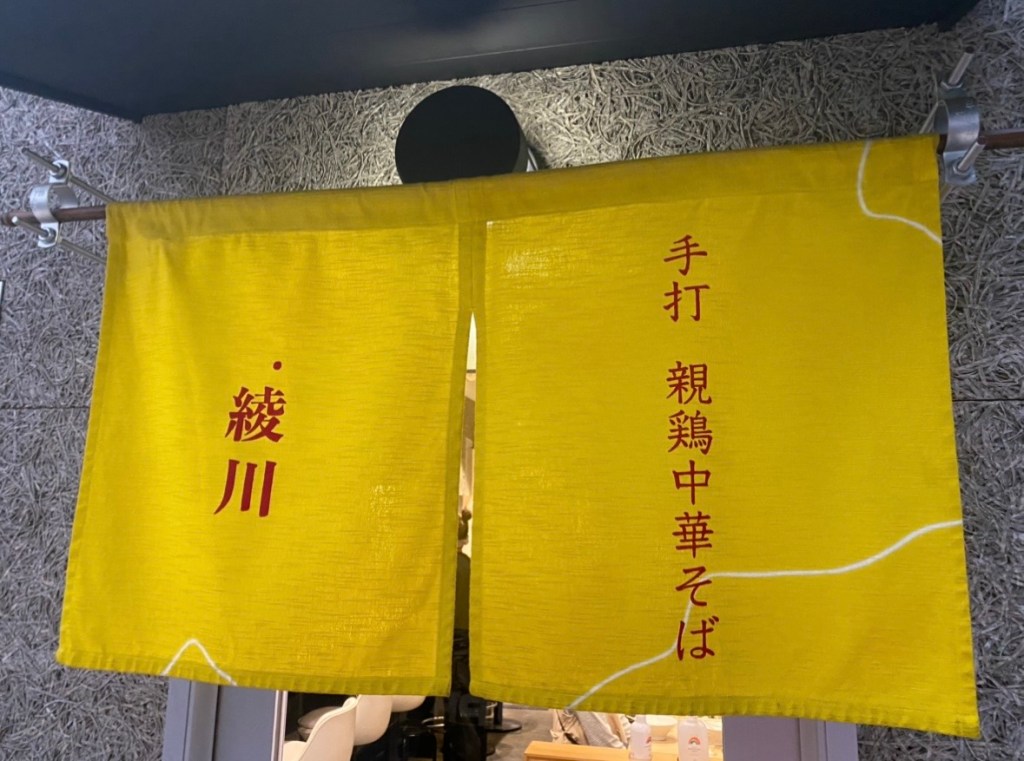
    Ayagawa Ramen – 綾川本店2 *Cash Only*

    〒150-0013 Tokyo, Shibuya, Ebisu, 1 Chome−21−18 ライツ恵比寿 1F 

    4 minute walk from Ebisu Station, 24 minutes from Shibuya Station

    Hours (as of 2025/12): Monday through Sunday 11am – 9:30pm

    Order system: Electronic Ticket Machine

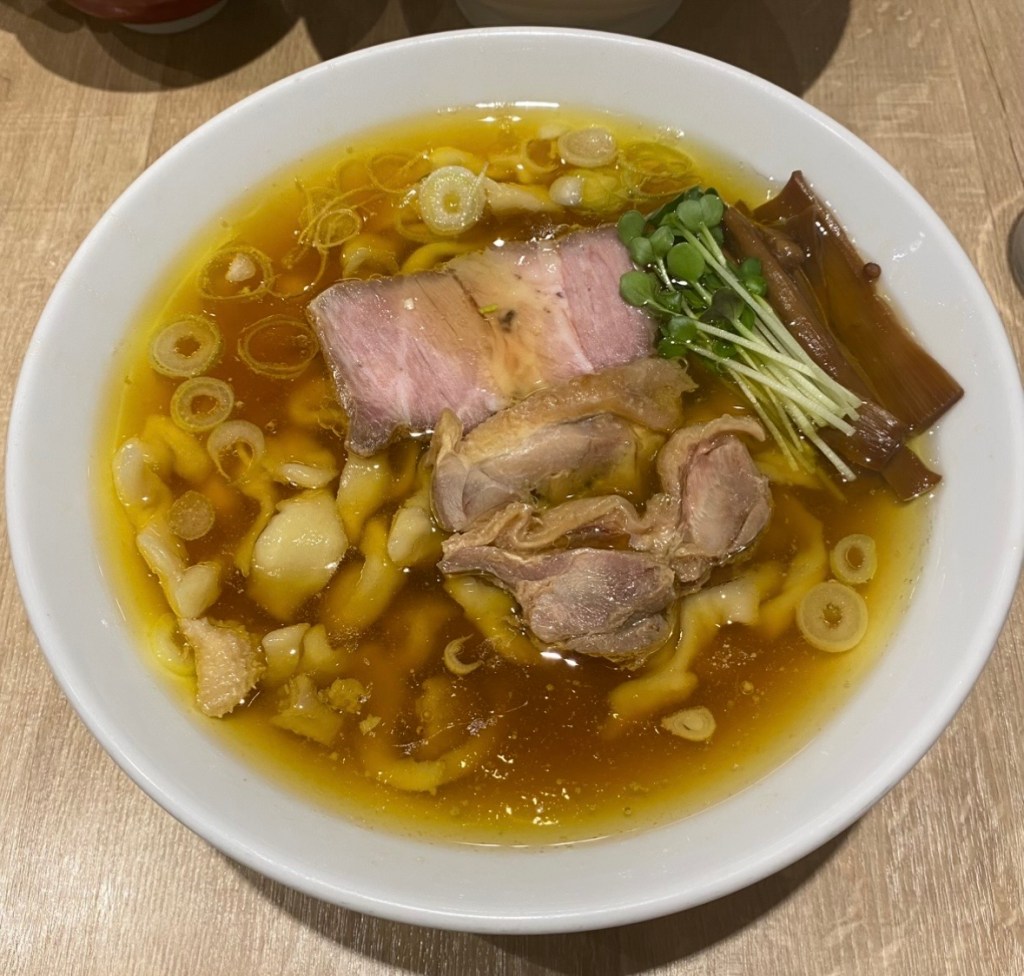
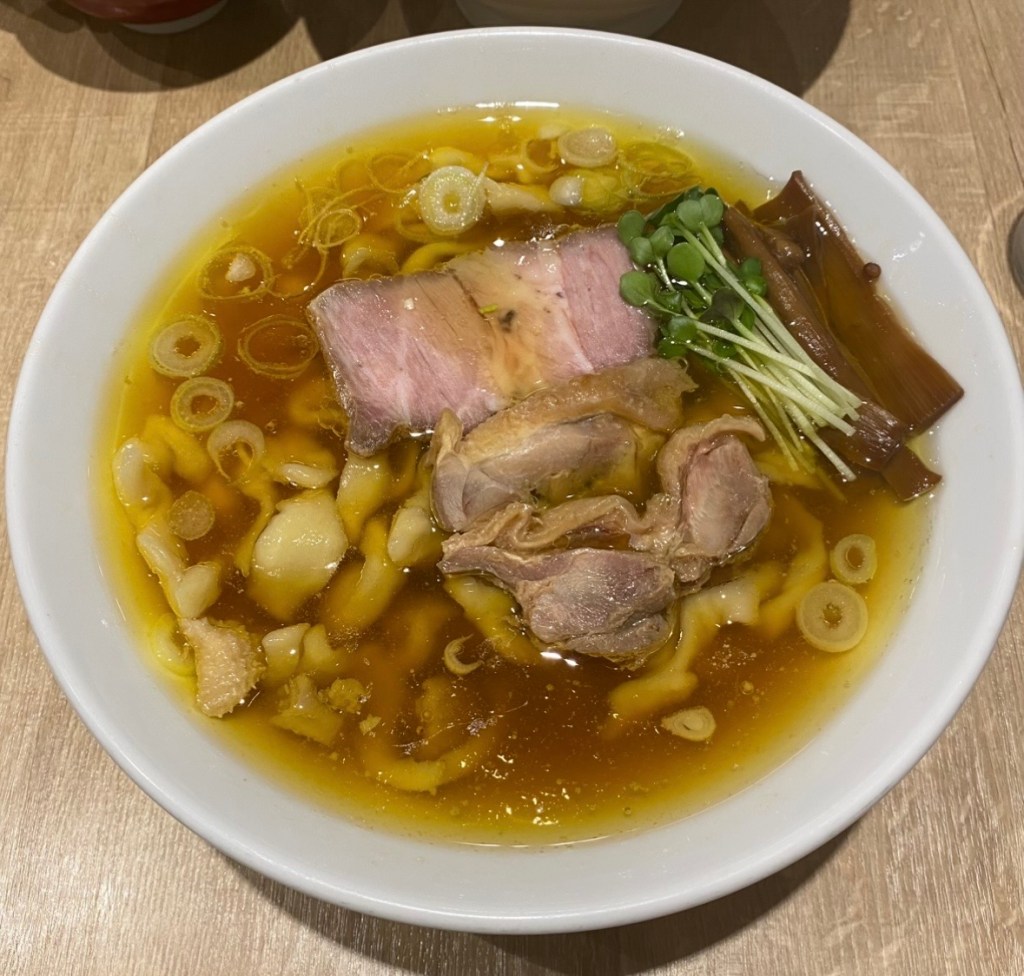
    A masterful chicken ramen built around a rich oyadori broth, chewy noodles, and a calm neighbourhood atmosphere just outside Shibuya.

    Ayagawa is a tucked away gem in Ebisu and has even made it into the top 5000 ranking on tabelog (Japan’s biggest food review site).

    Ayagawa is also commonly referred to as “chuuka soba” (Chinese noodles) much like other restaurants are, but note that there is no difference between the two words. 

    It has an easy to enter atmosphere, with a ticket machine to the right of you when you walk in (make sure to purchase your ticket before you sit down).

    The shop also has both counter and table seats making it easy to go either by yourself or as a pair. 

    This was the first ramen I ever had in Japan, but it still stands at some of the top ones I’ve eaten (nostalgia aside). 

    This shop specializes in “Oyadori” for both their soup and chicken toppings, which roughly translates to parent bird,  which refers to chickens that are no longer able to lay eggs. 

    Chicken ramen is few and far between in Japan, with the majority being pork based, so if you happen to go to one, they are generally great. 

    But differing from perhaps some of your image of a stereotypical chicken soup, this ramen takes it to another level.
    Besides using a ton of chicken bones to simmer down, they also include chicken oil which enhances the flavor to make it just that much more rich. 

    On top of this, they also include chicken chashu which while may be a bit more chewy than what you might be familiar with, it is because Ayagawa wants to stay to true to their use of the oyadori.

    I actually thought that this chicken was much more flavourful compared to a more tender counter-piece (think brown meat on a turkey at thanksgiving). 

    The noodles as well are perhaps even more uncommon, boasting a quite thick almost resembling wonton noodles, but are a bit al dente consisting of almost an udon texture.

    One thing I like about these noodles as well as I feel like they almost do a better job of soaking up the soup, as compared to its equivalents. 

    I think that this is a must try if you are in the area, as it’s just so unique, and despite having been to over 200 different restaurants, I have yet to only eat at one other place besides here that serves ramen with a chicken broth. 

    All in all, this is a great example of a restaurant that has mastered their craft and serves up an amazing bowl of ramen, all while being walking distance to Shibuya, but boasting a way less busy, quiet vibe to it.

    Japan never ceases to amaze me with how in such a close proximity two places can seem like completely different worlds. This is a prime example of that.

    Thanks for reading – if you’d like to support and follow along: 

    More about me

    Different types of ordering systems in Japan explained

    Purchasing an onigiri to keep me fuelled throughout my journey 🍙