There are only 4 types of ordering systems you will encounter in Japan (with one bonus one), and these are them ranked from easiest to hardest based on Japanese level required.
Tablets:
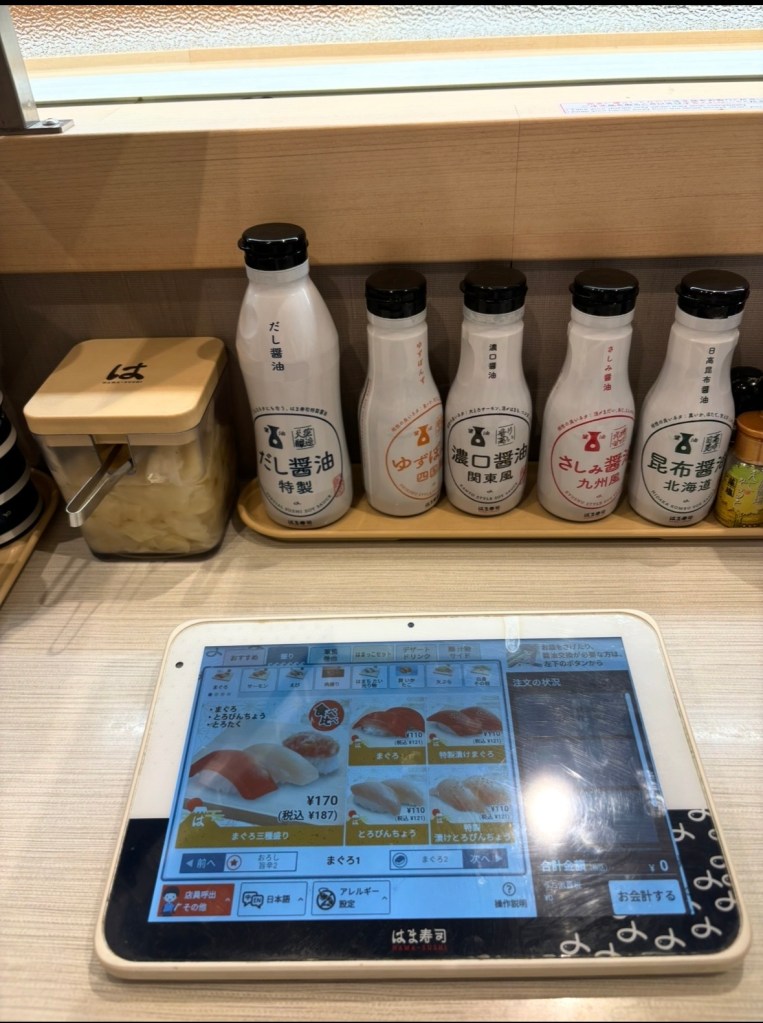
Becoming widely more available and now available at most big chain restaurants (Sukiya, Gusto etc.).
In my experience they almost always have an option to switch to different languages, but at the very least should have the option to switch it into english.
But even in the event you will have to end up ordering on the Japanese version, it is not only simple (as they always have pictures), but you won’t feel pressured to order, nor communicate with anyone.
Once your order is placed it will be brought to your table one way or another (unless you need to go pick it up yourself, but this is extremely uncommon) and you can always order more from the tablet while or after eating.
Ticket machine (button or touch panel):
Both located inside and sometimes outside of stores is a very common one, and one most likely to be found at ramen, or noodle places in general.
In big cities like Shinjuku or Shibuya, and the restaurants that sit in the heart of those places, they generally spend more money on getting a fancier ticket machine that doesn’t only make ordering a lot easier with pictures being displayed, but also allows for a lot of the time at least english to be included as a possible language option.
These machines also tend to offer more payment options than just cash with IC cards (Suica, Pasmo, etc.) and sometimes even credit cards or qr codes.
But these machines are still just a dime in the dozen and are only just beginning to be adopted by more and more places.
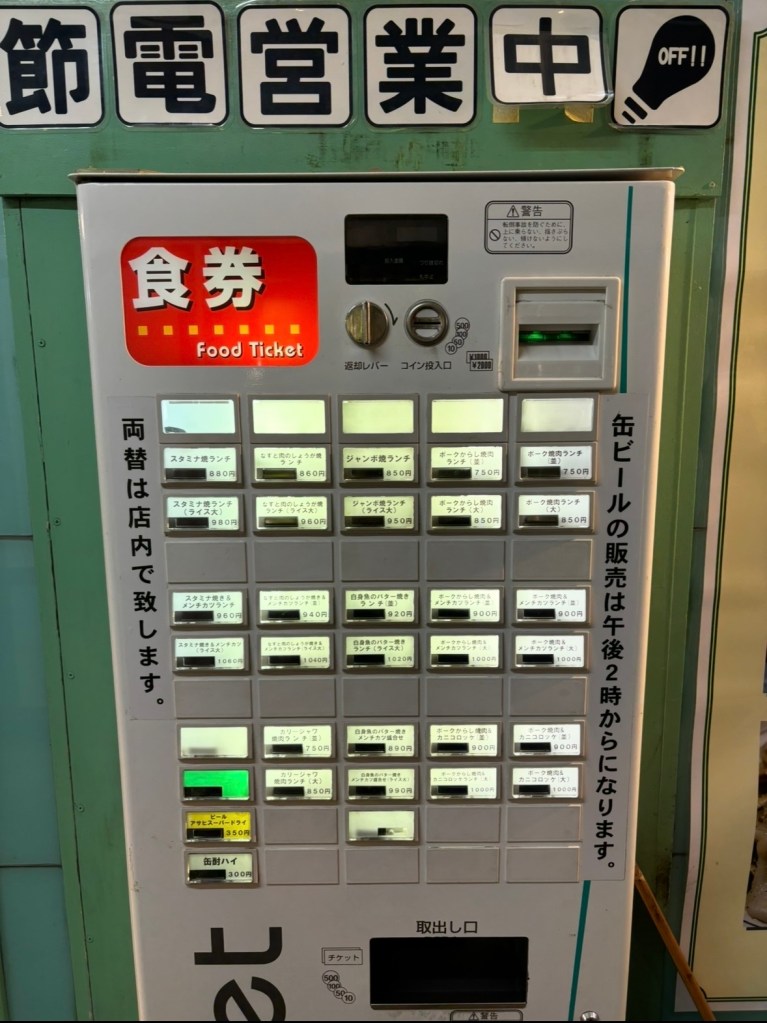
Because of this, what outnumbers them is to put it literally a machine with names, prices, and buttons.
The odd time there will be a few pictures (generally the 2 or 3 popular menu items) but that is most of the time all there is, and a lot of it is left up to your imagination as to what is going to be given to you.
But this is why researching what kind of restaurant it is and what dishes are good beforehand will serve you handy.
Also note that these machines rarely have any english on it, so for those that cannot read japanese, google translate photo feature will come in very handy.
Lastly, they do only take cash, and sometimes only 1000 yen bills too, so come prepared, but if you have a bill that is too big, you can always enter the store to exchange it and they should happily do so.
FYI: Each restaurant has their own rules, but when there are lineups, it can be the case that places will have you first go buy the ticket and then line up, or have the people lining up go in order up to the ticket machine and get back in line.
Menu (with waiter call button and without):
The same as most countries I can imagine is just a classic menu.
More touristy places, or places that have a lot of tourists come to them may have english menus, but it is most of the time only in very busy and bustline areas. Venture out of the city and it’s likely that you won’t see any.
Now menus can be three of the following, typed and printed, nicely handwritten, or extremely hard to read, borderline scribble.
But be assured, the latter option is far and few between.
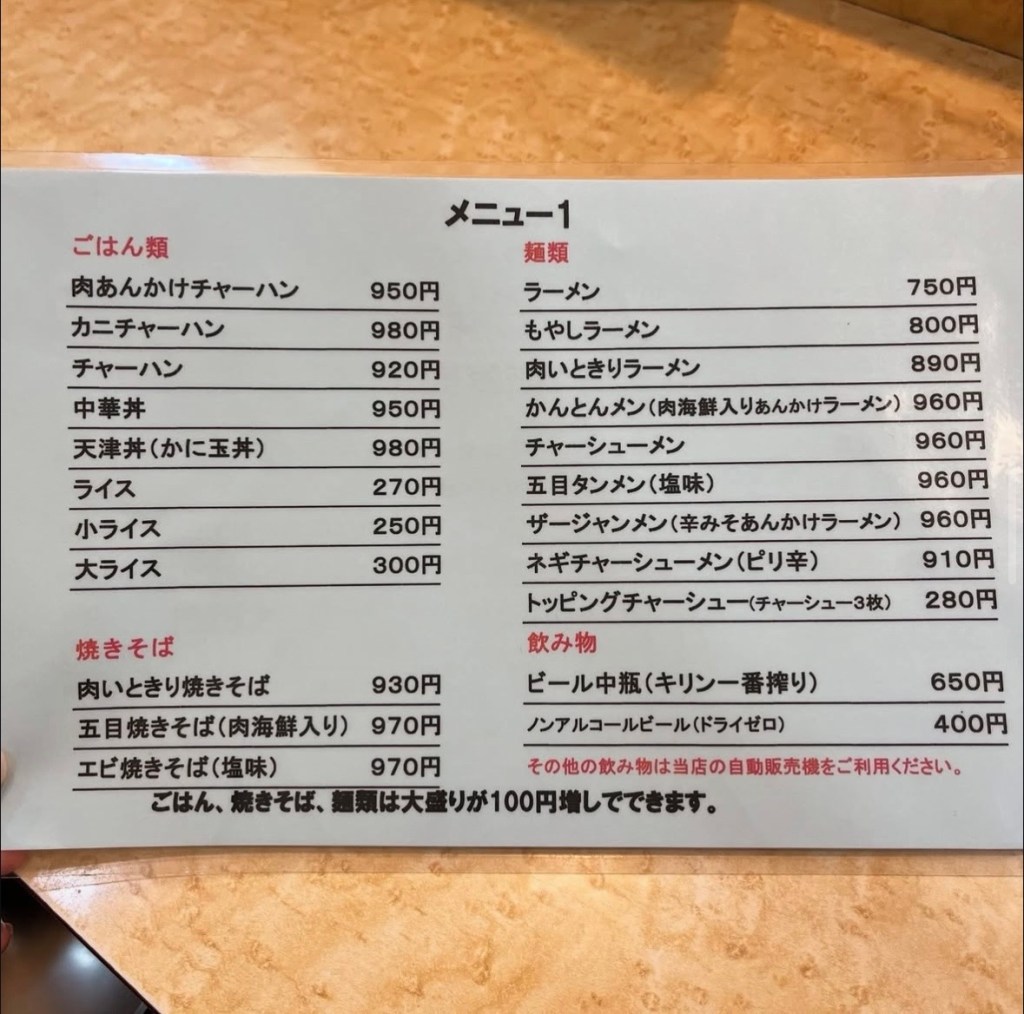
If it is the case that this is the only menu they have however, then asking the server their おすすめ (Osu-su-me) which means recommendation and it will most likely give you give you something good.
But it is important to note these three options because it determines whether or not google translate can translate them or not. Because while I do think that it does quite a tremendous job, it does not pick up on something that is not neatly printed – so it is good to keep this in mind.
As for getting the servers attention however, with a button it is self explanatory – press on it, and it will notify a staff member to come to your table (and this can be used not just for ordering, but also asking them anything as well).
The other option to this is where you may have to call out to the server. I say may, because say you are at a nice restaurant and/or one that is not too big and the staff are actively walking around, you can get away without calling out to them, and just a hand gesture to signal them will be enough.
But there are just some times where if you want to order, you are going to have to be proactive, and this can be observed by the other customers if you are unsure.
This is because they will be yelling out すみません (su-mi-ma-sen), meaning essentially excuse me, and it is probably one of the most useful words in the Japanese language, so knowing it before you come will help greatly.
In calling this out in a voice at a volume the staff can hear, it will signal them to come to your table, and then you can conduct your ordering as you would.
Call out system:
By far the most difficult, and daunting wary of ordering in Japan is where you will have to call out your order to the staff (generally the cook) from your seat.
This can be found at hustling and bustling izakayas, ramen shops, and pretty much anywhere.
A lot of the times the places where you will have to do this are not very big, and therefore may have only one person who is doing everything by themself.
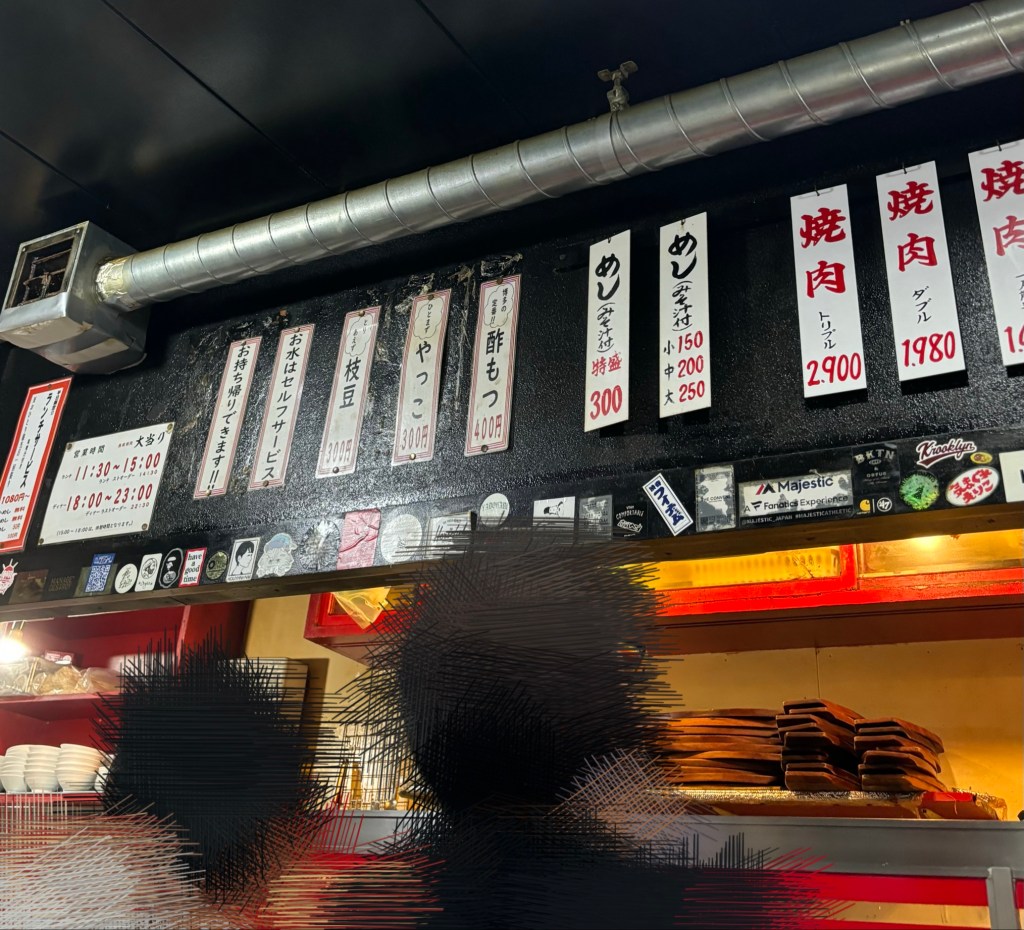
These shops can generally be a bit easy to identify however, as most of the time it is only Japanese inside.
This is always a good testament to how good the place is A, but B, there is almost 100% of the time only Japanese written inside of the place, and a lot of the time it is hand-written.
On top of this, most of the time the staff cannot speak English.
So, unfortunately, as much as I would like to have a foolproof way of ordering I could share with you all, I don’t and even some Japanese learners who have progressed quite far may struggle.
But this doesn’t mean that it is impossible, and for those ambitious wanting to probably try some of the best food on your whole trip, then I would just go in confident and hope for the best.
A good tip for this is looking up the shops reviews beforehand, and finding what are some of the popular dishes names, and memorizing them for when you go.
BONUS – Paper system (very uncommon):
Generally found at sushi restaurants, and maybe Ichiran Ramen (though you only write your taste preferences after you’ve already ordered), you will hand this paper over to the staff in both examples.
No words need to be exchanged, and if the menu is in Japanese and if you are unable to read it, then your friend google translate is there to help.
 LocalEatsJapan